How to Increase Airbnb Revenue Without Buying Another Property
You can increase nightly rate, occupancy, and review quality without adding another home. Use this operator-level framework to improve revenue from the property you already own.
Most short-term rental owners assume growth means acquiring more properties. But the highest-performing hosts know a simpler truth: your biggest upside is usually hiding inside the listing you already have.
If your current home is under-optimized, buying a second one often multiplies complexity before it multiplies profit. Better positioning, better pricing rules, and better guest experience can materially improve revenue without taking on another mortgage.
This playbook breaks down exactly how to do that.
Optimize Positioning Before You Touch Price
Rate is not your first lever. Positioning is.
If a guest cannot quickly understand why your property is the best fit for their trip, pricing tweaks alone will not fix weak conversion. Before changing calendar strategy, tighten the story of the stay.
Clarify your ideal guest profile
Define your core guest segments (family weekenders, remote workers, event travelers, etc.) and tune language around those needs. A listing aimed at everyone usually performs like it was built for no one.
Rework your headline and first 5 photos
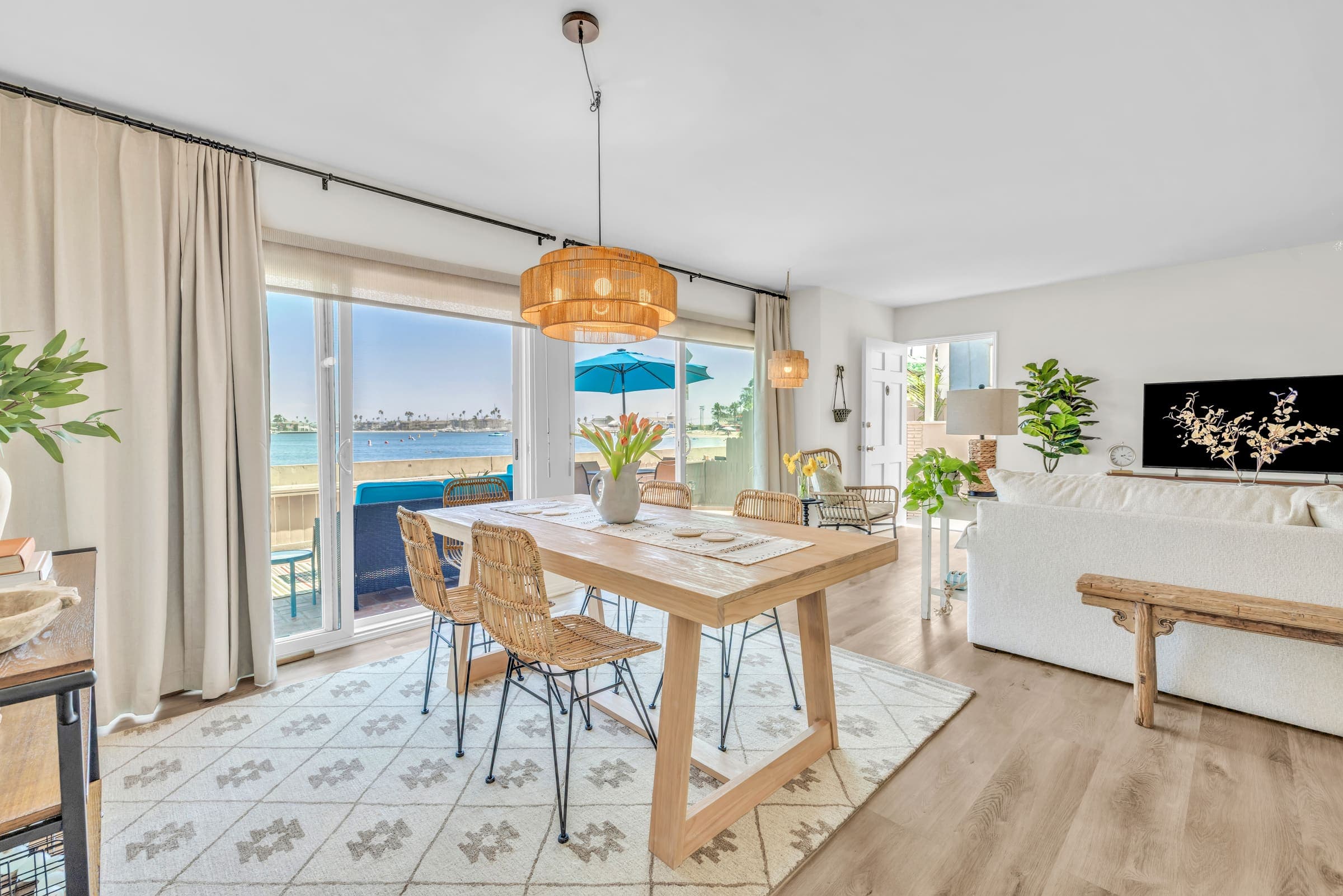
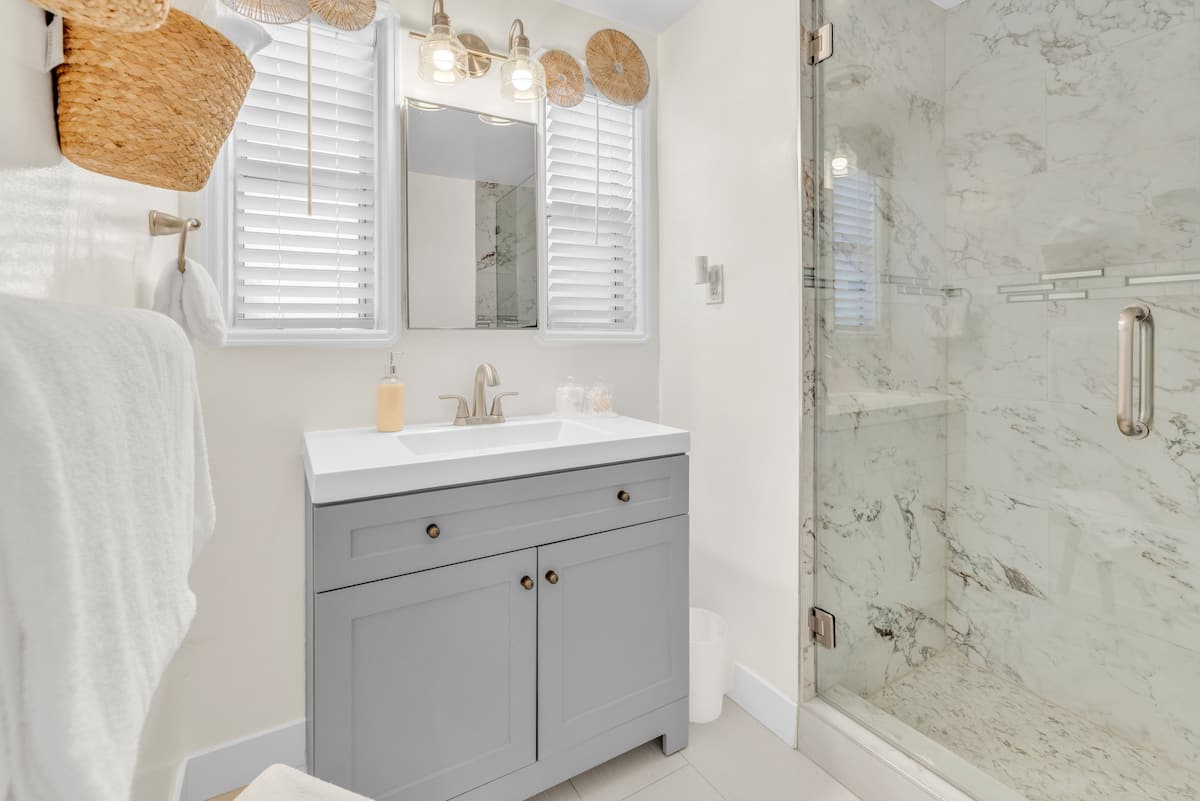
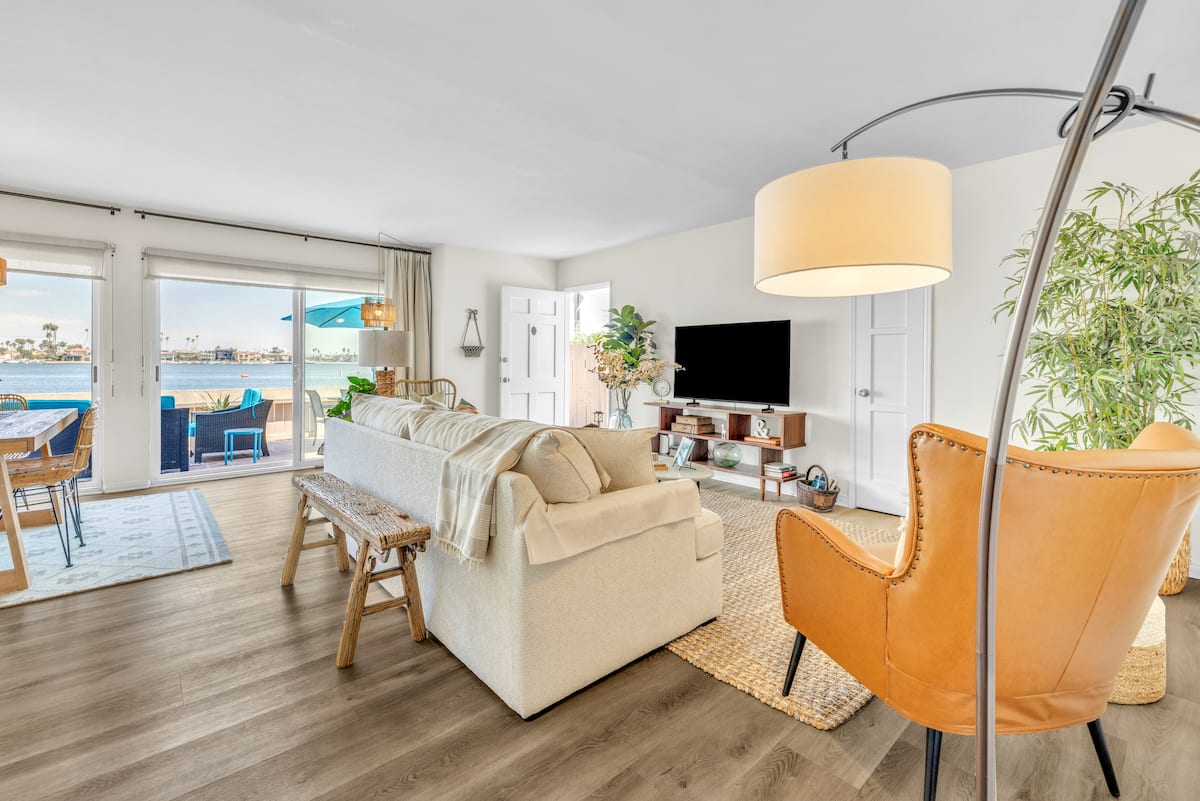
Your hero image and opening line do most of the conversion work. Prioritize bright, high-intent visuals (primary bedroom, main living space, standout amenity, and neighborhood context) and ensure your first photo set tells a complete experience.
If you want benchmarks for photo quality and listing standards, review Airbnb hosting resources and compare your listing objectively.
Align your on-site experience with your promise
If your headline promises "walkable beach stay" but the guidebook, check-in experience, and local recommendations are generic, conversion and reviews drift over time.
For owners in our market, the strongest results usually come when branding and operations are connected, not treated as separate projects. This is the same principle behind our owner service approach.
Build Smarter Pricing Rules, Not Random Discounts
Discounting is easy. Revenue management is disciplined.
Suzanne is the founder of Simply Home Management and a hands-on vacation rental operator in Long Beach. She manages every property in her portfolio directly — from guest communication and compliance to interior styling and revenue strategy.
Strong operators create floor and ceiling logic by season, day of week, and booking window instead of making daily manual guesses.
Set a minimum profitable rate
Calculate your true nightly floor after cleaning, utilities, supplies, platform fees, and management overhead. If you do not know your floor, you can accidentally "increase occupancy" while lowering net income.
Use lead-time and gap-night strategy
Two practical levers consistently move performance:
Lead-time pricing: different logic for far-out bookings versus last-minute demand.
Gap-night rules: intelligent handling of 1-2 night orphan gaps to improve calendar efficiency.
Tools like PriceLabs or AirDNA can support benchmarking, but your final pricing logic should still match your unit quality, neighborhood demand, and guest mix.
Separate base strategy from promotions
Promotions should support a strategy, not replace one. If discounts are your primary booking engine, your positioning and price architecture likely need work.
Increase Conversion on the Listing Page
Even small conversion improvements can produce meaningful monthly revenue gains when traffic stays constant.
Reduce cognitive load
Guests should understand layout, sleeping setup, parking, and standout amenities within seconds. Long blocks of text and unclear photo ordering reduce trust.
Remove decision friction
Answer common objections upfront: parking availability, noise expectations, climate control, child-friendly setup, workspace quality, and check-in simplicity.
Improve trust signals
Conversion improves when guests see consistency across photos, copy, house rules, and past reviews. If your review profile has drifted, revisit systems before pushing rates higher.
You can audit your public trust footprint by reviewing your listing presentation alongside your owner testimonials.
Improve Guest Experience to Protect Rate Power
Higher revenue is easier to sustain when review quality is stable.
Standardize the first 24 hours
The arrival window sets the tone for the entire stay. A clear pre-arrival message flow, accurate check-in instructions, and fast first-response support reduce avoidable complaints.
Upgrade the details guests remember
You do not need a full renovation to improve perceived value. High-impact upgrades often include:
Better bedding and pillows
Thoughtful welcome setup
Better lighting in key rooms
Cleaner kitchen inventory standards
Turn operational consistency into pricing confidence
When operations are repeatable, rate decisions become easier. If your team is constantly reacting, pricing becomes defensive.
For most owners, this is the moment where better systems matter more than bigger inventory.
Create Repeat and Referral Loops
New bookings are expensive. Repeat demand is efficient.
Capture post-stay goodwill
A simple post-checkout message sequence can increase direct rebooking intent and referrals. Keep it helpful, brief, and personal.
Build a property memory, not just a transaction
Curated local recommendations, thoughtful seasonal updates, and consistent follow-up keep your property top of mind for future trips.
Make rebooking easy
If a past guest has to "start over" to book again, you lose momentum. Use clear return-guest messaging and ownership-friendly policies.
If you are balancing platform bookings and direct opportunities, review current Vrbo partner guidance and align your approach across channels.
Track the Right Metrics Weekly
Most owners track revenue totals. Top operators track revenue drivers.
Run a weekly scorecard with:
Occupancy by upcoming 30/60/90-day windows
Average daily rate by day type (weekday/weekend)
Revenue per available night (RevPAN)
Booking window trends
Conversion signals (inquiry-to-booking and listing engagement proxies)
Review velocity and average rating
Then make one focused operational change per week instead of ten reactive changes per day.
If you want to compare your progress against local market movement, combine your own data with tools like AirDNA market intelligence.
Build a 90-Day Revenue Sprint
Treat this as a 90-day operating sprint, not a one-day overhaul.
Days 1-30: Positioning and listing conversion
Refresh listing copy and photo order
Tighten amenity and policy clarity
Fix message templates and check-in communication
Days 31-60: Pricing architecture
Define floor rates and day-type logic
Deploy lead-time adjustments
Add gap-night handling rules
Days 61-90: Experience and retention loops
Improve in-stay support and follow-up workflow
Launch return-guest sequence
Review scorecard trends and refine
By the end of this cycle, most owners have clearer performance visibility, stronger guest consistency, and a more defensible revenue strategy.
Final Takeaway
You do not need another property to grow. You need a better operating system for the one you already own.
When positioning, pricing, operations, and guest experience are aligned, revenue growth becomes more predictable and less stressful.
If you want a tailored roadmap for your current listing, start with an owner strategy conversation through our contact page or explore how we structure execution on For Owners.